A burst pipe, an overflowing appliance, or even a slow leak hidden behind a wall can leave more than soaked floors behind. One of the biggest concerns after water damage isn’t always the visible destruction—it’s the mold that can begin developing before most homeowners realize it’s happening. Waiting until a musty odor or dark patches appear often means the problem has already spread beneath flooring, inside drywall, or behind cabinets. Understanding how quickly mold develops after water damage helps you act within the short window that can prevent costly repairs and protect indoor air quality.
The First 48 Hours: When Mold Begins to Take Hold
Mold can begin growing within 24 to 48 hours after water damage occurs if moisture remains trapped in building materials. Mold spores naturally exist indoors and outdoors. They stay inactive until they find the right combination of moisture, warmth, oxygen, and a food source such as drywall, wood, insulation, carpet, or fabric.
This is why water damage restoration in Los Angeles should begin immediately after a leak or flood. Every hour that moisture remains inside porous materials increases the chance of mold colonization.
Although growth can start within two days, visible mold often takes one to three weeks to become noticeable, depending on environmental conditions.
Why Mold Grows So Quickly
Mold doesn’t need standing water to thrive. Damp materials alone are often enough.
Several conditions speed up growth:
- Indoor humidity above 60%
- Temperatures between 60°F and 80°F
- Poor ventilation
- Wet drywall and insulation
- Wood framing
- Carpet padding
- Ceiling tiles
- Paper-backed building materials
When these conditions combine, mold remediation is often becomes necessary because hidden colonies continue expanding even after surfaces appear dry.
The Timeline of Mold Growth
Knowing what happens after water damage helps explain why immediate action matters.
First 24 Hours
Water soaks into porous materials and creates ideal conditions for mold spores. No visible mold usually appears yet, but moisture begins spreading beneath surfaces.
Prompt water damage restoration in Los Angeles during this stage dramatically reduces future mold risk.
24 to 48 Hours
Mold spores begin germinating where moisture remains. Colonies are still microscopic but actively growing.
At this point, drying affected materials thoroughly becomes more important than simply removing standing water.
3 to 7 Days
Small colonies develop and may begin producing a musty odor. Hidden spaces behind walls, beneath flooring, and inside insulation become common growth areas.
Professional mold remediation may already be necessary if moisture wasn’t completely eliminated.
One to Three Weeks
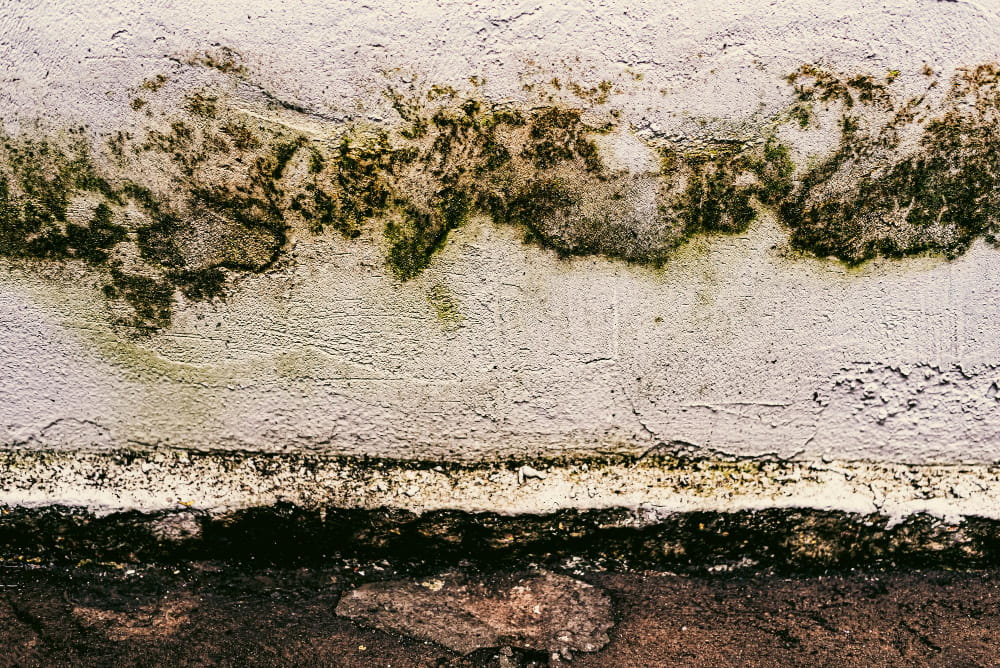
Visible patches may appear as black, green, white, or gray spots. Colonies spread deeper into structural materials, making cleanup more extensive.
Materials That Develop Mold the Fastest
Not every surface responds the same way after water exposure.
These materials are particularly vulnerable:
- Drywall
- Carpet and carpet padding
- Wood flooring
- Ceiling tiles
- Insulation
- Upholstered furniture
- Cardboard storage boxes
- Wallpaper
Non-porous materials like glass, metal, and plastic generally resist mold unless dirt or organic residue provides food for spores.
Because hidden moisture often remains inside porous materials, mold remediation in Los Angeles frequently involves inspecting areas that appear undamaged from the outside.
Signs Mold May Already Be Growing
Visible mold is usually not the first warning.
Watch for:
- Persistent musty smells
- Peeling paint
- Bubbling drywall
- Soft flooring
- Warped baseboards
- Discoloration around walls or ceilings
- Increased allergy-like symptoms indoors
Even one of these signs following water damage deserves attention before the problem spreads further.
Why Drying Alone Isn’t Always Enough
Many homeowners assume that fans and open windows completely solve the problem.
Unfortunately, moisture often becomes trapped inside:
- Wall cavities
- Subfloors
- Insulation
- Crawl spaces
- Behind cabinets
- Under flooring
Surface drying doesn’t remove hidden moisture. Specialized moisture detection is often needed to confirm that building materials have reached safe moisture levels.
When moisture remains concealed, mold remediation in Los Angeles becomes much more complicated because colonies continue expanding unseen.
Steps to Prevent Mold After Water Damage
Fast action makes the biggest difference.
Follow these steps immediately:
- Stop the source of water.
- Remove standing water quickly.
- Dry affected materials within 24 to 48 hours.
- Increase air circulation.
- Use dehumidification to reduce indoor humidity.
- Remove heavily saturated porous materials that cannot be dried properly.
- Inspect hidden spaces if water entered walls or flooring.
These measures greatly reduce the likelihood that water damage restoration in Los Angeles will later require extensive mold removal.
When Professional Help Becomes Necessary
Some situations carry a much higher mold risk than others.
Professional assessment is recommended when:
- Water remained for more than 24 hours.
- Floodwater contaminated the property.
- Drywall or insulation became saturated.
- Mold odor persists after drying.
- Visible mold continues spreading.
- Occupants experience respiratory irritation.
In these cases, mold remediation in Los Angeles focuses not only on removing visible mold but also on identifying hidden moisture sources that allow colonies to return.
If you’re comparing related restoration services, water damage restoration cost in Los Angeles can vary depending on how quickly the damage is addressed before mold develops.
Don’t Give Mold the Time It Needs
Water damage creates a race against time. Mold doesn’t wait until stains appear or odors become overwhelming. It begins growing silently inside damp materials, often within two days. Acting quickly, drying thoroughly, and addressing hidden moisture can prevent far more expensive repairs later.
If your property has experienced flooding, leaks, or excess moisture, don’t assume everything is dry simply because surfaces look normal. The team at 247 Pro Restoration can assess the affected areas, identify hidden moisture, and recommend the right solution for your situation. Whether you need water damage restoration or mold remediation in Los Angeles, early action is the best way to protect both your property and your indoor environment.