A small patch of mold on a wall often looks harmless at first. After a fresh coat of paint or a quick scrub, it may even seem gone. Then, weeks later, the stain returns, sometimes larger than before. That cycle happens because mold doesn’t simply grow on the surface. It follows moisture, settles into porous materials, and spreads where humidity remains unchecked. Learning how to remove mold from walls the right way helps eliminate visible growth while reducing the chance of another outbreak.
Use this practical checklist to tackle mold safely and protect your walls from future damage.
Identify the Wall Material Before Cleaning
Not every wall should be cleaned the same way.
Painted drywall, concrete, brick, wood paneling, and plaster all respond differently to moisture and cleaning solutions. Choosing the wrong method can damage the wall while leaving mold behind.
Before starting mold removal in LA, inspect the wall carefully to determine its material and whether water damage has weakened the surface.
Find the Moisture Source Before Removing Mold
Mold is a symptom, not the original problem.
Common moisture sources include:
- Plumbing leaks
- Roof leaks
- Window condensation
- Poor ventilation
- Flood damage
- High indoor humidity
Removing visible mold without correcting moisture almost guarantees its return. Solving the water issue first makes every cleaning effort more effective.
Protect Yourself Before Disturbing Mold
Cleaning mold releases spores into the air.
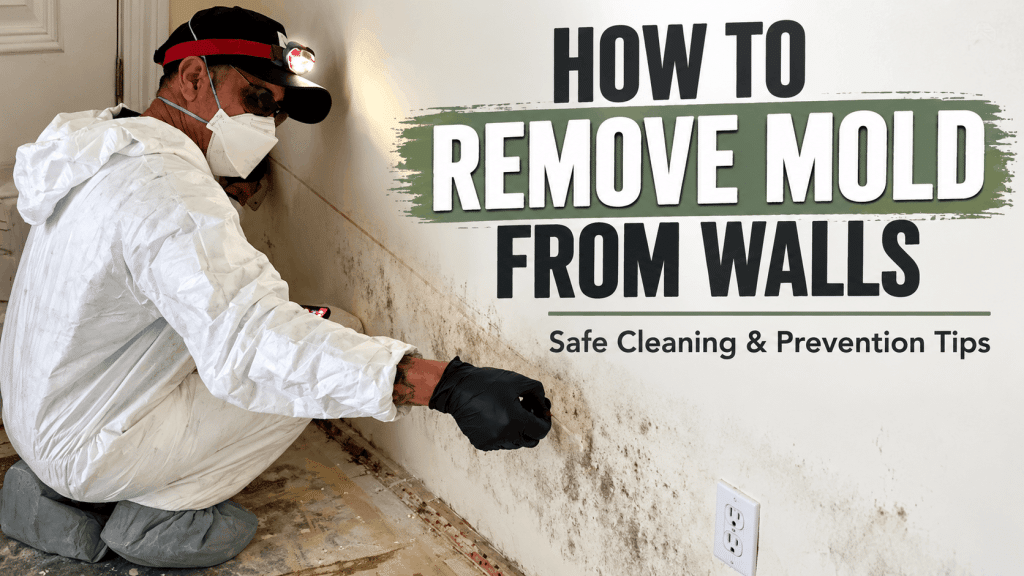
Wear proper protective equipment, including:
- N95 or similar respirator
- Safety goggles
- Rubber gloves
- Long sleeves
- Closed shoes
Open windows where possible and isolate the affected room to reduce airborne contamination. Safe preparation is an essential part of mold removal in Los Angeles, especially inside occupied homes.
Decide Whether the Wall Can Be Saved
Some walls respond well to cleaning.
Others require replacement.
If drywall feels soft, crumbles easily, or remains wet after drying attempts, mold may have penetrated too deeply for surface cleaning alone.
Professional mold removal services are often recommended when structural materials have extensive moisture damage or mold extends behind finished walls.
Apply the Right Cleaning Method
The cleaning approach depends on the wall surface.
For painted or sealed walls:
- Lightly dampen the area.
- Apply an appropriate mold-cleaning solution.
- Allow enough contact time.
- Scrub gently using a soft brush.
- Wipe clean with disposable cloths.
Concrete walls usually require firmer scrubbing because mold settles deeper into tiny surface pores.
Successful mold removal in Los Angeles depends more on proper technique than aggressive scrubbing.
Inspect Behind the Visible Stain
Visible discoloration rarely shows the entire problem.
Carefully inspect nearby areas such as:
- Baseboards
- Window trim
- Electrical outlets
- Adjacent drywall
- Ceiling joints
- Wall corners
If the mold repeatedly returns after cleaning, hidden growth inside the wall cavity may require further investigation. This is especially important when removing black mold, since dark-colored mold often develops after prolonged moisture exposure.
Dry the Wall Completely Before Repainting
Drying is just as important as cleaning.
Even small amounts of trapped moisture allow mold spores to grow again.
Use natural airflow, fans, or dehumidifiers until the wall is completely dry. Inspect the area over the next several days before repainting or covering the surface.
Many homeowners seeking mold removal in Los Angeles focus entirely on cleaning while overlooking proper drying, which is one of the most effective ways to prevent recurring mold.
Replace Materials That Cannot Be Properly Cleaned
Not every moldy wall can be restored.
If mold has spread deep into drywall, insulation, or damaged wood framing, replacing the affected material is often the safest solution. Cleaning only the surface may leave hidden spores behind, allowing the problem to return.
When wall damage extends beyond visible areas, professional mold removal services can help determine whether removal or replacement is the better option.
Improve Ventilation to Prevent Regrowth
Fresh air plays a major role in keeping walls dry.
Reduce indoor moisture by:
- Using exhaust fans during showers and cooking
- Opening windows when weather permits
- Keeping furniture slightly away from exterior walls
- Running a dehumidifier in damp rooms
- Allowing wet surfaces to dry quickly
These habits support long-term mold removal in Los Angeles by creating conditions where mold struggles to survive.
Inspect Nearby Rooms for Hidden Moisture
Mold rarely stays confined to one location.
After cleaning the affected wall, inspect nearby spaces such as:
- Closets
- Laundry rooms
- Basements
- Crawl spaces
- Utility rooms
- Areas around plumbing fixtures
Finding moisture early helps stop mold before it spreads into additional walls or structural materials.
Monitor the Wall During the Following Weeks
Successful cleanup doesn’t end after the wall looks clean.
Watch for:
- New discoloration
- Peeling paint
- Musty odors
- Soft drywall
- Condensation
- Damp spots after rain
Regular observation confirms whether mold removal in Los Angeles addressed the root cause or if additional repairs are needed.
Know When Professional Help Is Necessary
Some mold situations require more than household cleaning.
Professional assistance is recommended when:
- Mold covers a large section of the wall.
- Water damage has affected several rooms.
- Mold keeps returning.
- Hidden wall cavities are suspected.
- Family members experience respiratory discomfort during cleanup.
Experienced mold removal services use specialized containment procedures and equipment that help reduce airborne spores while treating the source more thoroughly.
Build Habits That Keep Walls Mold-Free
Long-term prevention is always easier than repeated cleanup.
Simple maintenance can make a significant difference:
- Repair plumbing leaks immediately.
- Keep indoor humidity under control.
- Inspect walls after heavy storms.
- Dry spills and wet surfaces quickly.
- Improve airflow throughout the home.
- Check bathrooms and kitchens regularly for early signs of moisture.
These habits strengthen the results of mold removal in Los Angeles and reduce the likelihood of recurring infestations.
Restore Cleaner Walls with Confidence Through 24/7 Pro Restoration
Removing mold from walls takes more than scrubbing visible stains. Lasting results come from identifying moisture sources, selecting the right cleaning method, drying surfaces thoroughly, and replacing materials that can no longer be safely restored. Routine inspections and preventive maintenance help protect your home long after cleanup is complete. If mold continues to return or has spread beyond surface level, professional support becomes the safest choice. For dependable mold removal in Los Angeles backed by experienced mold removal services, trust 247 Pro Restoration to help restore a cleaner, healthier, and more comfortable home.