If you’ve spotted a dark patch creeping across your bathroom ceiling or caught that unmistakable musty smell drifting from a closet, you already know the feeling. Mold has a way of showing up quietly and then, suddenly, becoming impossible to ignore. Figuring out how to remove mold in Los Angeles homes isn’t always straightforward, though, since our specific climate, housing stock, and building styles all play a role in how mold behaves here compared to other parts of the country. This guide walks through the whole picture, from what actually kills mold to when it’s time to call in help.
Why Mold Shows Up So Often in LA Homes
Los Angeles doesn’t get the reputation for humidity that, say, Florida or Louisiana does, but that doesn’t mean local homes are immune. Coastal marine layer moisture, older plumbing in many neighborhoods, poor attic ventilation, and the occasional heavy winter rain create plenty of opportunities for mold to take hold, especially in bathrooms, under sinks, and around windows that don’t seal well.
Older buildings across the city, many built decades before modern moisture-control standards existed, are particularly prone to hidden leaks behind walls or under flooring. That’s a big part of why mold removal in Los Angeles so often starts with finding a moisture source nobody knew was there in the first place.
Signs You’re Actually Dealing With Mold
Before diving into removal, it helps to confirm what you’re looking at. Common signs include:
- Visible fuzzy or slimy patches in black, green, white, or orange
- A persistent musty, earthy smell that doesn’t go away with cleaning
- Discoloration or bubbling on walls, ceilings, or baseboards
- Increased allergy symptoms or respiratory irritation that improve when you’re away from home
If you’re noticing several of these at once, it’s a reasonable signal that mold removal in Los Angeles needs to become a priority rather than something to put off.
Is This a DIY Job or Not?
According to EPA guidance, the general rule of thumb is size-based: mold covering less than about 10 square feet can often be handled by a homeowner with the right precautions, while anything larger, or mold connected to contaminated water, HVAC systems, or significant health symptoms, calls for a professional.
That distinction matters. Attempting to scrub away a large mold colony without proper containment can actually spread spores into previously clean parts of the house, which turns a contained problem into a much bigger one and makes mold removal in Los Angeles more expensive and time-consuming than it needed to be.
What Actually Kills Mold and Mildew on Household Surfaces?
This is one of the most commonly misunderstood parts of mold cleanup. Contrary to popular belief, the EPA doesn’t actually recommend bleach as the go-to solution for routine mold cleanup on porous materials, since it can pit certain surfaces and doesn’t always reach mold growing beneath the surface.
For most hard, non-porous surfaces, plain detergent and warm water applied with a scrub brush handles visible growth effectively in two passes, one to lift the mold and a second to clean up residue, followed by thorough drying. Household staples like white vinegar and hydrogen peroxide are also commonly used. For a deeper breakdown of exactly how this kills mold and mildew on household surfaces, it’s worth understanding which household options are reasonably effective on tile, glass, and sealed countertops. However, neither is a guaranteed fix for mold that’s worked its way into porous material like drywall or carpet padding.
The real key to mold removal in Los Angeles, or anywhere else, isn’t just killing what you can see, it’s addressing the moisture source. Mold that’s cleaned but not paired with a fix to the underlying leak or humidity issue will simply return.
Products Worth Understanding
There’s no shortage of mold removal products lining store shelves, and it can be genuinely confusing to know what’s actually effective versus what’s mostly marketing. Generally speaking, useful products fall into a few categories: EPA-registered antimicrobial cleaners for surface treatment, moisture-absorbing products like dehumidifiers for prevention, and protective equipment like N95 masks, gloves, and goggles that keep you safe during cleanup.
It’s worth being cautious here. No spray-on product, however well marketed, replaces proper drying and moisture control. Products can help kill what’s visible on the surface, but they can’t undo water damage sitting inside a wall cavity.
Do Anti-Mold Sprays Actually Work?
Preventive sprays can be a genuinely useful part of a routine, especially in high-moisture areas like shower stalls, window sills, and laundry rooms. Applied regularly to clean, dry surfaces, many people find that anti-mold sprays work really well at slowing new growth from taking hold in spots that tend to stay damp.
That said, it’s important to keep expectations realistic. These sprays work best as a preventive layer on surfaces that are already clean, not as a fix for an active, established mold colony. If you’re dealing with real growth rather than just prevention, treating the moisture problem should always come first.
Step-by-Step: Handling Small Mold Areas Yourself
For mold covering less than 10 square feet on a non-porous surface, here’s a reasonable approach:
- Put on gloves, an N95 mask, and eye protection before starting.
- Open windows and run a fan to ventilate the space, directing air outward if possible.
- Fix or address the moisture source first, if it’s identifiable and manageable.
- Scrub the affected area with detergent and water, or a suitable cleaning product, using a stiff brush.
- Rinse and dry the surface completely, ideally within a few hours.
- Dispose of any cleaning materials, sponges, or rags used, sealed in a plastic bag.
- Monitor the area over the following weeks to confirm mold doesn’t return.
Porous materials with visible growth (drywall, carpet, ceiling tiles) generally can’t be fully cleaned this way and usually need to be removed and replaced rather than scrubbed.
When It’s Time to Call a Mold Removal Company in LA
Some situations genuinely call for professional help rather than a DIY weekend project. It’s worth bringing in outside expertise if you’re dealing with mold larger than 10 square feet, mold caused by contaminated water (like sewage backup), mold inside your HVAC system, or if anyone in the household has significant respiratory sensitivity.
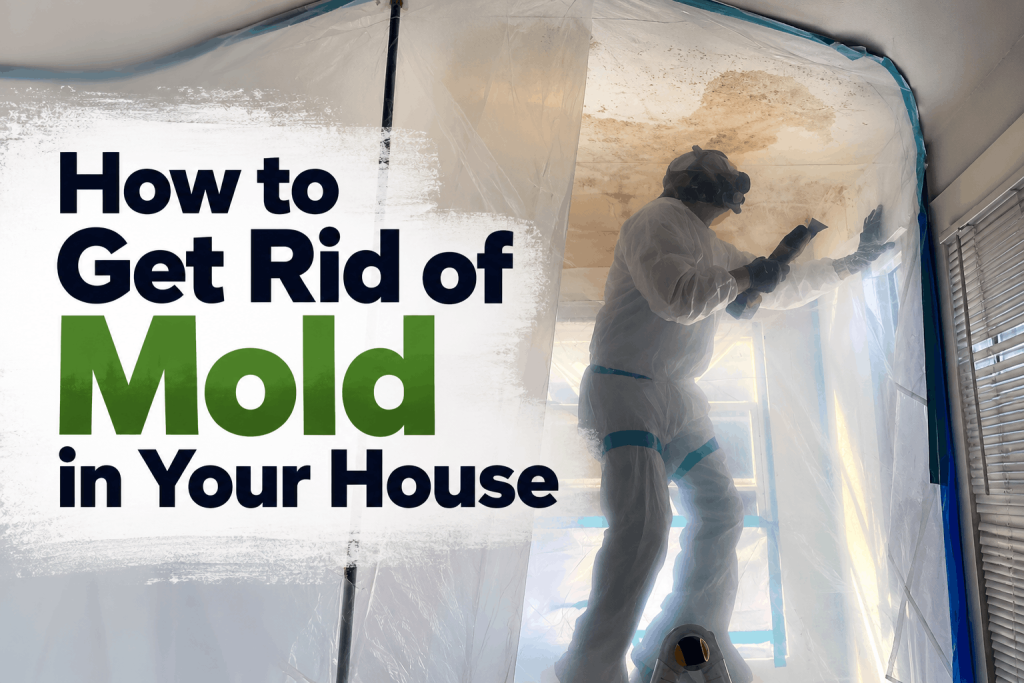
A qualified mold removal company in LA will typically start with an inspection to identify moisture sources, use containment barriers and negative air pressure to prevent spore spread, and follow up with post-remediation testing to confirm the job was done thoroughly. That level of containment and equipment simply isn’t realistic for most households to replicate on their own.
Choosing a mold removal company in LA with proper certifications and clear documentation also protects you down the line, particularly if you’re dealing with insurance claims or planning to sell your home in the future.
Preventing Mold From Coming Back
Once mold removal in Los Angeles is complete, prevention becomes the priority. A few habits make a real difference:
- Run bathroom exhaust fans during and after every shower
- Fix leaks promptly, even small drips under sinks or around window frames
- Keep indoor humidity below roughly 50%, using a dehumidifier if needed
- Check attic and crawlspace ventilation periodically, especially after winter rains
Mold removal in Los Angeles isn’t usually a one-time event, it’s an ongoing awareness of where moisture tends to collect in your specific home and staying ahead of it.
Bringing It All Together
Learning how to remove mold in Los Angeles homes really comes down to two things working together: knowing what actually kills mold on the surfaces you’re dealing with, and fixing the underlying moisture problem so it doesn’t just come right back. Skip either half of that equation, and you’re likely to be back here again in a few months.
Getting Real Help When Mold Gets Out of Hand
Mold can feel overwhelming, especially once it’s spread beyond a small, manageable patch. At 24/7 Pro Restoration, our team handles mold inspection and remediation across Los Angeles, identifying the moisture source, containing the problem properly, and restoring your home to a genuinely healthy condition, not just a surface-level clean. If mold has taken hold somewhere in your home and you’re not sure whether it’s a DIY job or not, reach out for an inspection and get a clear, honest answer about what your space actually needs.